
Shopping Cart
There are no more items in your cart
- Our blog
- 0 likes
- 952 views
- 0 comments
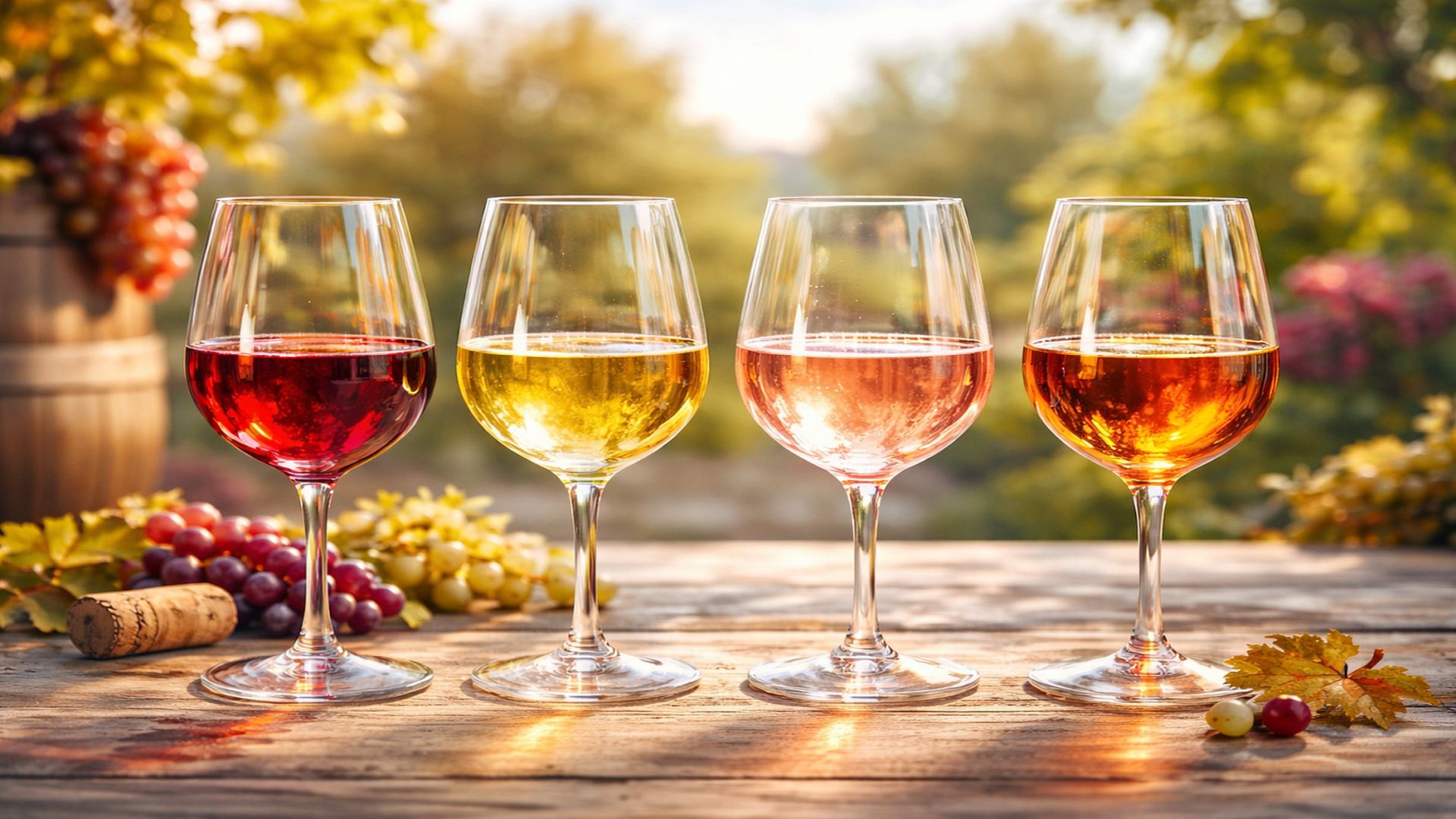
The color of wine (red, white, rosé, or orange) can give us clues, but it doesn't define its quality
The color of wine isn't what it used to be
There was a time when looking at a wine was almost enough to judge it. If it was red, we wanted it dark, almost impenetrable. If it was white, clear, bright, perfect.
We ourselves have thought this more than once in front of a glass. But the more we taste, the more we understand something: the color of wine isn't the truth, it's just a clue.
First impressions deceive (and a lot)
Color is still the first thing we see. It's inevitable. It tells us about its youth or evolution, the grape variety, and the way it was made.
But it can also lie. We've tasted light, almost transparent wines with brutal depth.
And others, dark and dense, that later didn't say much at all.
Here's the key shift in today's wine world: we no longer judge a wine by how it looks, but by how it feels.
The turn: from dark wines to lively wines
For years, the more color a red had, the better it seemed. Today the exact opposite is happening.
We're increasingly seeing pale-extraction wines, with translucent ruby colors that are fresher and easier to drink.
It's no coincidence. Winemakers are seeking less extraction and more balance. Less muscle and more energy. And that shows too… in the color.
Whites (and oranges): where everything has changed
If there's one place where color has stopped being a rule, it's in white wines.
Not so long ago, a white had to be clear and bright. Today we can find intense golden tones, cloudy wines, or whites with a "hazy" look, and that's perfectly fine.
In fact, it's often quite the opposite: these are wines with more character, more texture, more intention.
Even orange wines, with those amber tones, are no longer a rarity. They're another way of understanding wine.
Rosés and sparkling wines: appearance still rules
Here we still live quite a bit by image. Pale rosés dominate the market. That "pretty" color sells. But it doesn't always mean lightness. Sometimes the palate has more volume than the color promises.
In sparkling wines, color evolves more slowly, though golden tones tend to appear with time and aging.
What we've learned (and maybe this will help you too)
After many glasses, one thing is clear to us: Color matters… but it doesn't decide.
It's like the cover of a book. It can attract, it can guide, but it doesn't tell you the story.
That story is in the aroma, the taste, and what that wine makes us feel.
If you want to understand wine better, start by changing this: stop judging it only by its color. Because today, more than ever, the best wines aren't always the darkest, the brightest, or the "prettiest." They're the ones that have something to tell us when we taste them.
Comments (0)